
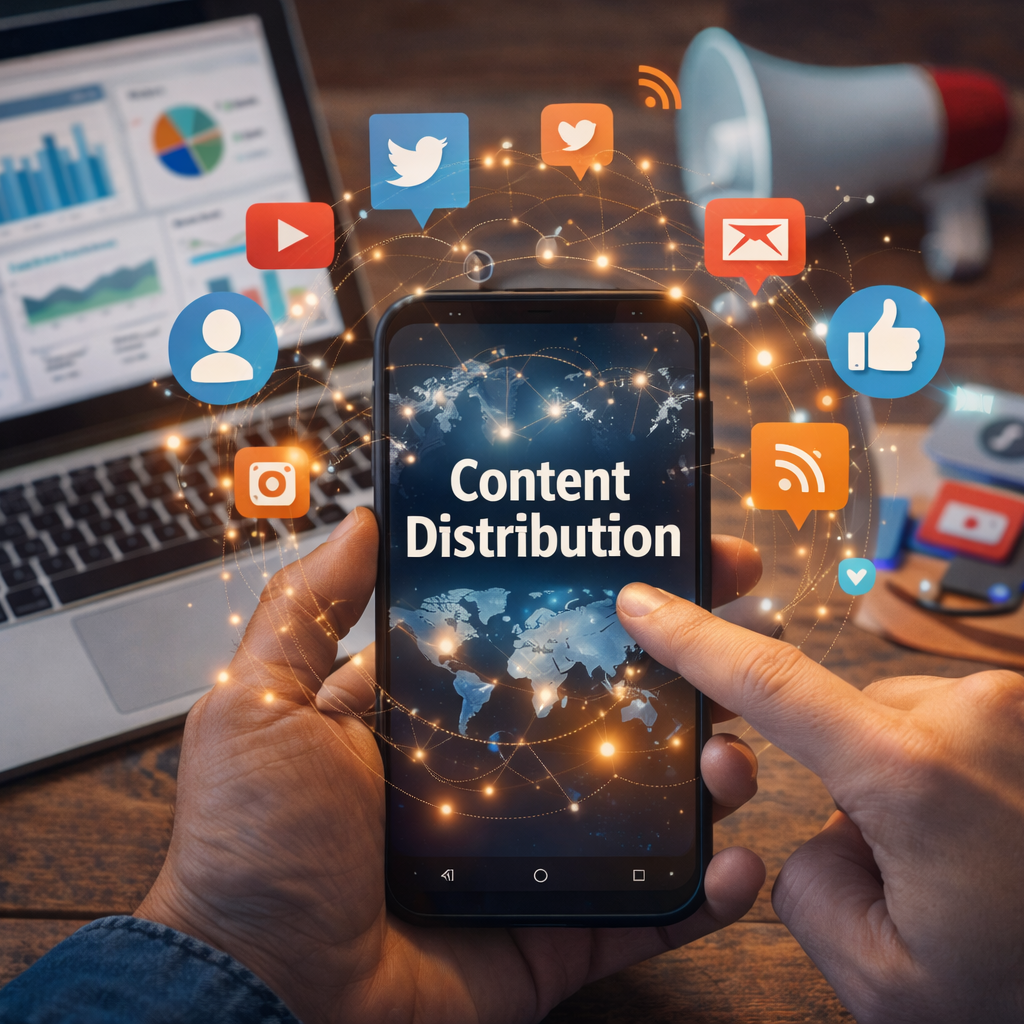
5 Reasons Content Distribution Matters More Than Creation in 2026
Key Takeaways
-
You can create high-quality content, but without effective content distribution, it will not reach the right audience or deliver measurable results.
-
Content distribution strategies now define visibility, engagement, and long-term growth more than content creation alone.
Understanding The Shift Toward Content Distribution
Content creation has always been central to marketing strategy. However, the environment has changed. You are now operating in a space where content supply is higher than demand. Every platform is saturated. Every brand is publishing.
This shift forces you to rethink priorities. Creating more content does not guarantee results. Instead, how you distribute that content determines its impact.
You are no longer competing on who creates more. You are competing on who distributes better.
Why Content Distribution Matters More Than Content Creation
Content distribution ensures that your work reaches the right audience, at the right time, in the right format. Without it, even strong content remains invisible.
You must treat distribution as a core system, not an afterthought. This means planning channels, formats, timing, and audience targeting before content is even created.
What Changes When Distribution Becomes The Priority?
When you shift your focus, your entire strategy changes:
-
You create content with specific platforms in mind
-
You design assets for reuse across channels
-
You align messaging with audience behavior
-
You measure performance based on reach and engagement
This approach turns content into an asset that works across multiple touchpoints.
1. Visibility Is Driven By Distribution Systems
You can produce valuable content, but it will not perform if it is not seen. Visibility depends on distribution systems, not just quality.
Search engines, social platforms, and content feeds prioritize content that is actively distributed. Passive publishing is no longer enough.
How Do You Increase Content Visibility?
You improve visibility by building structured distribution processes:
-
Publish across multiple platforms consistently
-
Repurpose content into different formats
-
Optimize timing based on audience activity
-
Use platform-specific optimization techniques
This ensures your content appears where your audience already spends time.
2. Audience Engagement Comes From Repetition And Placement
Engagement does not happen after a single interaction. Your audience needs repeated exposure across channels.
Content distribution allows you to create multiple touchpoints. Each interaction increases familiarity and trust.
Why Does Repetition Improve Engagement?
Repetition works because it reinforces recognition. When your audience sees your content in different places, they are more likely to engage.
You can apply this through:
-
Sharing the same idea in different formats
-
Distributing content across multiple channels
-
Reinforcing key messages over time
This builds stronger connections without requiring constant new content.
3. Content Distribution Improves Resource Efficiency
Creating content requires time and effort. Without distribution, that investment is wasted.
When you focus on distribution, you maximize the value of each piece of content.
How Can You Extend Content Value?
You extend value by turning one asset into many:
-
Break long-form content into shorter pieces
-
Convert written content into visual formats
-
Adapt content for different platforms
This approach reduces the need to constantly create from scratch. You use your existing work more effectively.
4. Platform Algorithms Reward Active Distribution
Modern platforms prioritize content that generates interaction. Distribution plays a direct role in this.
If your content reaches more users quickly, it signals relevance. This increases the likelihood of further visibility.
What Do Algorithms Respond To?
Algorithms respond to early engagement signals such as:
-
Clicks
-
Shares
-
Comments
-
Time spent on content
Effective distribution helps generate these signals by placing content in front of the right audience segments.
5. Content Distribution Strengthens Brand Positioning
Your brand is shaped by how often and where your content appears. Distribution controls this presence.
If your content is visible across multiple channels, your brand becomes more recognizable and trusted.
How Does Distribution Influence Brand Perception?
Distribution builds perception through consistency:
-
Consistent messaging across platforms
-
Regular appearance in audience feeds
-
Alignment with audience interests
This creates a stronger and more reliable brand identity.
Building A Content Distribution Strategy That Works
You cannot rely on random sharing. Distribution must be structured and intentional.
Which Channels Should You Prioritize?
You should focus on channels where your audience is most active:
-
Search platforms for long-term visibility
-
Social platforms for engagement and reach
-
Direct channels for retention
Each channel serves a different purpose. Your strategy should reflect this.
How Should You Structure Content Distribution?
A structured approach includes:
-
Planning distribution before content creation
-
Mapping content to specific platforms
-
Scheduling consistent publishing
-
Tracking performance and adjusting strategy
This ensures that distribution supports your overall goals.
Aligning Content Creation With Distribution Goals
Content creation should support distribution, not operate independently.
You need to design content with its distribution path in mind.
What Should You Consider Before Creating Content?
Before creating, ask:
-
Where will this content be distributed?
-
How will it be adapted for each platform?
-
What format works best for the audience?
These questions ensure that your content is optimized for performance.
Measuring The Impact Of Content Distribution
You cannot improve what you do not measure. Distribution requires clear tracking.
Which Metrics Should You Focus On?
Focus on metrics that reflect distribution effectiveness:
-
Reach and impressions
-
Engagement rates
-
Traffic generated
-
Audience growth
These indicators show whether your distribution strategy is working.
Common Gaps In Content Distribution Strategies
Many strategies fail because distribution is treated as secondary.
Where Do Most Strategies Fall Short?
Common gaps include:
-
Inconsistent posting schedules
-
Lack of platform-specific adaptation
-
Over-reliance on a single channel
-
Limited content repurposing
Addressing these gaps improves overall performance.
Future Direction Of Content Distribution
Content distribution will continue to evolve. Platforms will become more competitive, and audience attention will become more limited.
You must adapt by focusing on efficiency and precision.
What Should You Prepare For?
You should prepare for:
-
Increased competition for attention
-
Greater importance of personalization
-
Higher expectations for content relevance
This requires a more refined distribution strategy.
Strengthening Your Approach To Content Distribution
You are operating in a landscape where content alone is not enough. Distribution determines whether your efforts succeed or fail.
To stay competitive, you need to prioritize how your content is delivered, not just how it is created.
Focus on building systems that ensure your content reaches the right audience consistently.
At this stage, your next step is to formalize your approach and take action. If you want to organize your content systems and track performance more effectively, consider signing up on Credkeeper to manage and scale your content distribution strategy.